Efficient Wheat Cultivation on Large Farms: A Comprehensive Guide
Embarking on the journey of growing wheat efficiently on a large farm requires a deep understanding of the intricacies involved. Whether you're a seasoned farmer or a novice, navigating the complexities of wheat cultivation demands attention to specific varieties, optimal growing conditions, and advanced agricultural practices. In this guide, we'll delve into the nuances of growing both winter and spring wheat, explore the critical factors influencing their growth, and outline best practices for a bountiful harvest.

Embarking on the journey of growing wheat efficiently on a large farm requires a deep understanding of the intricacies involved. Whether you're a seasoned farmer or a novice, navigating the complexities of wheat cultivation demands attention to specific varieties, optimal growing conditions, and advanced agricultural practices. In this guide, we'll delve into the nuances of growing both winter and spring wheat, explore the critical factors influencing their growth, and outline best practices for a bountiful harvest.

Understanding Wheat Varieties and Growing Seasons

Before delving into the intricacies of wheat cultivation, it's crucial to differentiate between the two primary varieties: winter and spring wheat. While each has unique requirements, the general principles of care remain largely consistent.

Winter wheat is sown in the fall for a summer harvest, thriving in regions with milder winters and adequate snow cover. This variety strategically utilizes fall and winter precipitation, ensuring the young plants endure the cold months and resume growth with the arrival of spring. On the other hand, spring wheat is planted in the spring and harvested in the fall, catering to areas with distinct weather and soil conditions.

Optimal Conditions for Wheat Growth
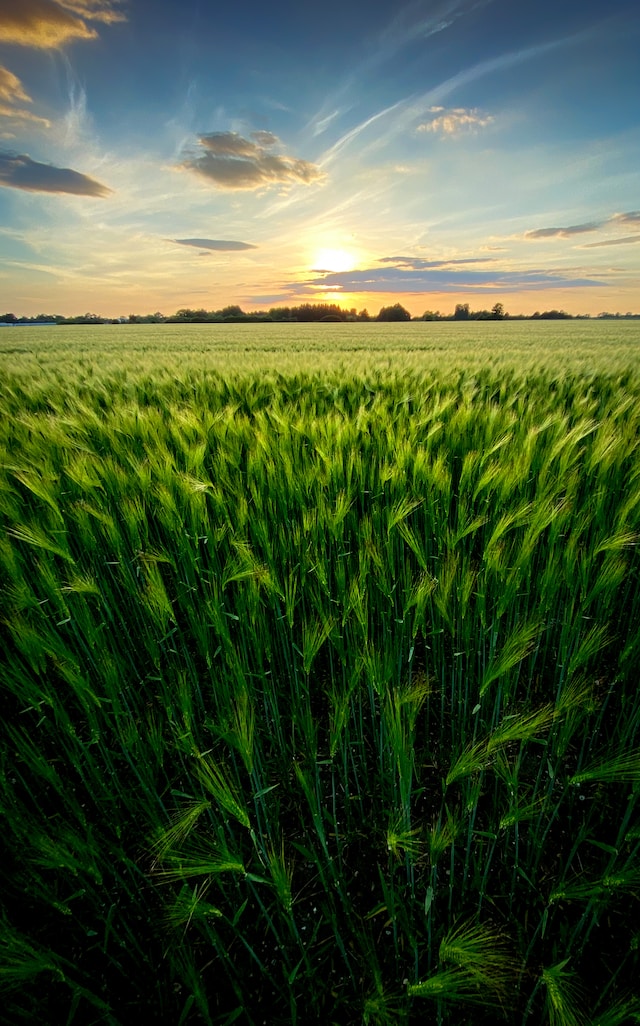
Creating the ideal environment for wheat growth involves considering factors such as temperature, sunlight, and soil composition. Both winter and spring wheat varieties share similarities in their basic requirements.

Temperature: The temperature nuances for winter and spring wheat differ during crucial growth stages. Winter wheat necessitates a period of near-freezing temperatures to initiate its reproductive cycle, while spring wheat thrives in temperatures between 70 and 75°F (21 and 24°C). Extreme temperatures, below 40°F (4°C) or exceeding 90°F (32°C), can adversely affect wheat growth.

Sunlight: Wheat, being a sunlight-dependent crop, flourishes in full daylight. While winter crops may experience slower growth due to shorter days and reduced sunlight, adequate exposure remains crucial for optimal development.

Soil and Nutrients: Deep, fertile loamy soil with good drainage is ideal for wheat cultivation. Soil pH between 5.5 and 7.5 is favorable, with an emphasis on avoiding peat-heavy soils rich in iron, sodium, and magnesium. Salinity and low fertility pose threats, impacting various aspects of wheat growth.

Best Care Practices for Wheat Growth

Growing wheat presents challenges, and the final yield is susceptible to numerous factors. Inadequate soil cultivation, unsuitable plant varieties, improper watering, and insufficient disease and pest management can all hinder wheat growth. Implementing effective care practices becomes paramount in maximizing yield.

Fertilizing: NPK (nitrogen, phosphorus, and potassium) fertilizers are essential for wheat growth. Achieving a balance between protein composition and yield is crucial, and precision farming technologies, such as remote sensing and variable rate application, facilitate optimized fertilizer management.

Watering: Timely and appropriate irrigation is vital for efficient wheat growth. Early irrigation supports quick emergence and robust establishment, while the flowering stage demands careful attention to moisture levels. Leveraging satellite data for soil moisture monitoring enhances precision in irrigation practices.

Understanding Wheat Growth Duration

Spring wheat typically requires 100–130 days to mature, while winter wheat's growth period extends to 180–250 days, incorporating a dormancy phase during colder months. Factors like soil temperature, precipitation, and irrigation significantly influence the growth duration, emphasizing the need for attentive monitoring.

Harvesting Wheat and Post-Harvest Handling
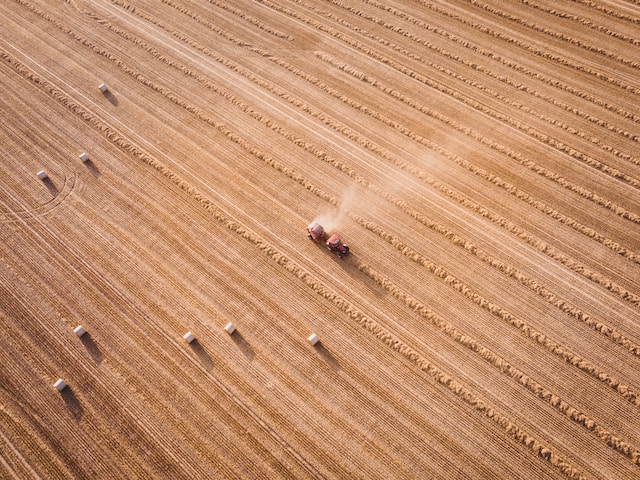
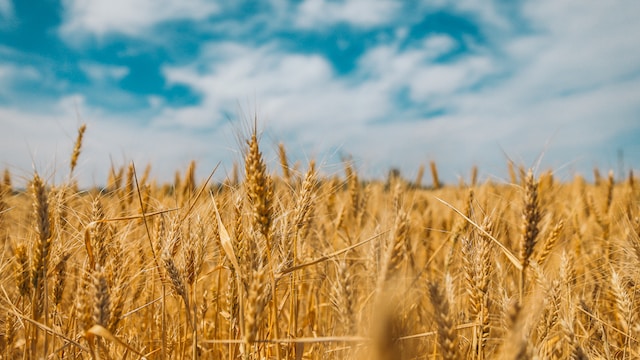
Harvesting wheat has evolved from manual labor to the utilization of combines—machines that simultaneously harvest, thresh, and winnow grain. Harvesting is timed when the crop exhibits a golden yellow hue and firm grain texture. Maintaining a moisture content of around 12.5% during harvesting prevents quality deterioration.

Post-harvest handling involves meticulous drying to achieve a moisture content below 12%, facilitating safe long-term storage. Proper storage practices, including ventilation, maintaining a buffer zone, and regular inspections, ensure grain quality and mitigate risks of pests and fungi.

Efficient Wheat Growing: A Blend of Tradition and Technology

While growing wheat demands adherence to traditional practices, integrating modern agricultural technologies enhances efficiency. Remote sensing, variable rate application, and precision irrigation contribute to optimized fertilizer use, reduced wastage, and precise crop care.

In conclusion, growing wheat efficiently on a large farm requires a harmonious blend of time-tested agricultural wisdom and cutting-edge technologies. By understanding the unique requirements of winter and spring wheat, implementing best care practices, and leveraging advanced tools, farmers can ensure a successful and productive wheat cultivation journey.

Trending Now
|
Efficient Wheat Cultivation on Large Farms: A Comprehensive Guide
Embarking on the journey of growing wheat efficiently on a large farm requires a deep understanding of the intricacies involved. Whether you're a seasoned farmer or a novice, navigating the complexities of wheat cultivation demands attention to specific varieties, optimal growing conditions, and advanced agricultural practices. In this guide, we'll delve into the nuances of growing both winter and spring wheat, explore the critical factors influencing their growth, and outline best practices for a bountiful harvest.

Embarking on the journey of growing wheat efficiently on a large farm requires a deep understanding of the intricacies involved. Whether you're a seasoned farmer or a novice, navigating the complexities of wheat cultivation demands attention to specific varieties, optimal growing conditions, and advanced agricultural practices. In this guide, we'll delve into the nuances of growing both winter and spring wheat, explore the critical factors influencing their growth, and outline best practices for a bountiful harvest.

Understanding Wheat Varieties and Growing Seasons

Before delving into the intricacies of wheat cultivation, it's crucial to differentiate between the two primary varieties: winter and spring wheat. While each has unique requirements, the general principles of care remain largely consistent.

Winter wheat is sown in the fall for a summer harvest, thriving in regions with milder winters and adequate snow cover. This variety strategically utilizes fall and winter precipitation, ensuring the young plants endure the cold months and resume growth with the arrival of spring. On the other hand, spring wheat is planted in the spring and harvested in the fall, catering to areas with distinct weather and soil conditions.

Optimal Conditions for Wheat Growth

Creating the ideal environment for wheat growth involves considering factors such as temperature, sunlight, and soil composition. Both winter and spring wheat varieties share similarities in their basic requirements.

Temperature: The temperature nuances for winter and spring wheat differ during crucial growth stages. Winter wheat necessitates a period of near-freezing temperatures to initiate its reproductive cycle, while spring wheat thrives in temperatures between 70 and 75°F (21 and 24°C). Extreme temperatures, below 40°F (4°C) or exceeding 90°F (32°C), can adversely affect wheat growth.

Sunlight: Wheat, being a sunlight-dependent crop, flourishes in full daylight. While winter crops may experience slower growth due to shorter days and reduced sunlight, adequate exposure remains crucial for optimal development.

Soil and Nutrients: Deep, fertile loamy soil with good drainage is ideal for wheat cultivation. Soil pH between 5.5 and 7.5 is favorable, with an emphasis on avoiding peat-heavy soils rich in iron, sodium, and magnesium. Salinity and low fertility pose threats, impacting various aspects of wheat growth.

Best Care Practices for Wheat Growth

Growing wheat presents challenges, and the final yield is susceptible to numerous factors. Inadequate soil cultivation, unsuitable plant varieties, improper watering, and insufficient disease and pest management can all hinder wheat growth. Implementing effective care practices becomes paramount in maximizing yield.

Fertilizing: NPK (nitrogen, phosphorus, and potassium) fertilizers are essential for wheat growth. Achieving a balance between protein composition and yield is crucial, and precision farming technologies, such as remote sensing and variable rate application, facilitate optimized fertilizer management.

Watering: Timely and appropriate irrigation is vital for efficient wheat growth. Early irrigation supports quick emergence and robust establishment, while the flowering stage demands careful attention to moisture levels. Leveraging satellite data for soil moisture monitoring enhances precision in irrigation practices.

Understanding Wheat Growth Duration

Spring wheat typically requires 100–130 days to mature, while winter wheat's growth period extends to 180–250 days, incorporating a dormancy phase during colder months. Factors like soil temperature, precipitation, and irrigation significantly influence the growth duration, emphasizing the need for attentive monitoring.

Harvesting Wheat and Post-Harvest Handling

Harvesting wheat has evolved from manual labor to the utilization of combines—machines that simultaneously harvest, thresh, and winnow grain. Harvesting is timed when the crop exhibits a golden yellow hue and firm grain texture. Maintaining a moisture content of around 12.5% during harvesting prevents quality deterioration.

Post-harvest handling involves meticulous drying to achieve a moisture content below 12%, facilitating safe long-term storage. Proper storage practices, including ventilation, maintaining a buffer zone, and regular inspections, ensure grain quality and mitigate risks of pests and fungi.

Efficient Wheat Growing: A Blend of Tradition and Technology

While growing wheat demands adherence to traditional practices, integrating modern agricultural technologies enhances efficiency. Remote sensing, variable rate application, and precision irrigation contribute to optimized fertilizer use, reduced wastage, and precise crop care.

In conclusion, growing wheat efficiently on a large farm requires a harmonious blend of time-tested agricultural wisdom and cutting-edge technologies. By understanding the unique requirements of winter and spring wheat, implementing best care practices, and leveraging advanced tools, farmers can ensure a successful and productive wheat cultivation journey.

Trending Now