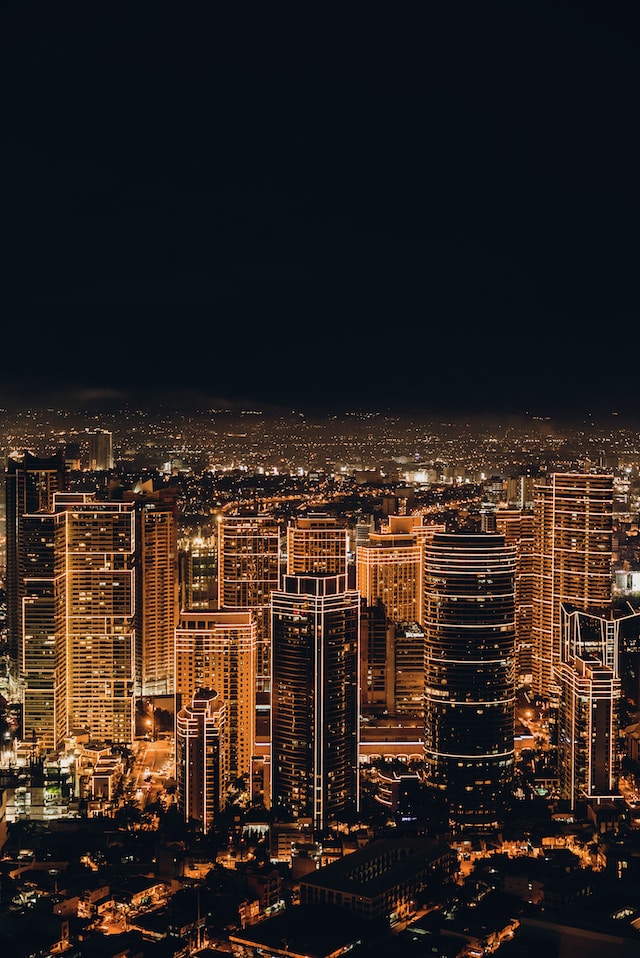
We've all experienced it—the allure of a city's towering structures, prompting us to capture the majestic skyline. Yet, more often than not, the resulting photo falls short of our vision—it's blurry, grainy, and lacks the vibrancy of the real scene. Elevating cityscape photography goes beyond mere clicks; it demands skills, patience, and a keen eye. While an expensive camera isn't a prerequisite, learning key techniques is essential to transform your photos into magical compositions. Here are eight tips to help you capture the essence of urban landscapes just as you see them:
Choose the Right Lens
The lens is paramount in cityscape photography. Opt for wide or ultra-wide lenses, such as 24mm or even as low as 10mm, to encompass more in the frame. Standard lenses like 35mm or 50mm closely mimic the human eye's perspective for a realistic portrayal. If versatility is your goal, consider a telephoto lens (e.g., 24mm-70mm or 70mm-200mm) for zooming capabilities. Don't overlook your kit lens (typically 18mm-55mm) for initial urban landscape endeavors.
Switch to Aperture Priority Mode
Simplify your settings by using Aperture Priority Mode, allowing you to choose the aperture while the camera automatically selects the shutter speed. In low-light conditions, opt for a wide aperture to maximize light intake. However, balance this with a consideration for depth of field; using the widest aperture may result in a shallow focus. Adjust accordingly, such as using f/2.8 instead of the maximum f/1.8 to maintain sharpness.
Manual Focus for Precision
Nighttime cityscapes can challenge autofocus systems. Switch to manual focus to ensure clarity. Set the focus ring to infinity and fine-tune it until the entire scene appears sharp. Verify focus accuracy by enlarging the frame on your screen. Manual focus guarantees a crisp skyline, eliminating potential autofocus hiccups.
Early Arrival for Golden Hour Magic
The golden hour, just after sunrise or before sunset, offers a magical backdrop for cityscapes. Arrive early to catch the fleeting moments when the sky bathes in orange hues, accentuating building lights. Avoid the rush by setting up before dawn or dusk, ensuring an unobstructed view. Capture the city's transformation as the sun casts a warm glow against the darkening sky.
Utilize Hotel Room Vantage Points
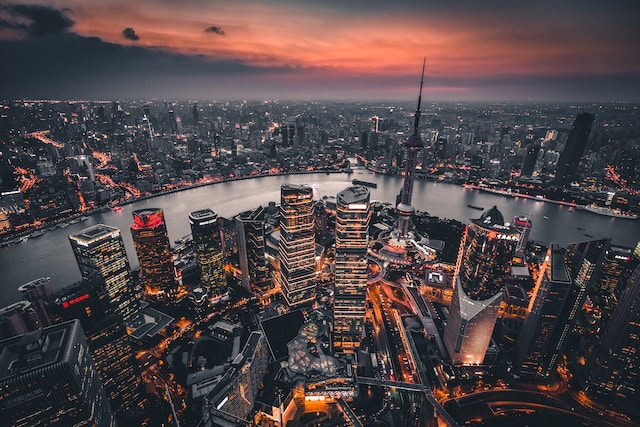
Attaining a high vantage point often enhances cityscape shots. When rooftop access is unavailable, consider renting a hotel room with a commanding view. Overcome challenges posed by glass windows by turning off air conditioning to prevent fogging. Minimize reflections by dimming room lights and covering your camera. Polarizing filters can further reduce glare, and manual focus ensures a clear skyline.
Bracket Exposures for Lighting Challenges
City lighting variations pose exposure challenges. Implement bracketing by taking a series of photos with different exposures. Adjust the exposure compensation to capture scenes underexposed by two or three stops. This technique increases your chances of obtaining a perfectly exposed image. Alternatively, merge bracketed shots into a high dynamic range (HDR) image using photo editing tools.
Layer Light Trails for Dynamic Shots
To capture captivating light trails, switch to Speed Priority mode. Set a shutter speed of 10 seconds or longer, or use Bulb Mode for exposures exceeding 30 seconds. Combine multiple photos of the same location to intensify light streaks. Embrace creativity by blending exposures in-camera using Multiple Exposure Mode, ensuring consistent alignment on a tripod.
Include Reflections for Dimension
Enhance cityscapes by incorporating reflections from bodies of water. Choose calm lakes or rivers for optimal reflections, avoiding rough waters that distort the mirrored image. Optimal conditions include minimal wind for undisturbed surfaces. Compose shots with the skyline centered, creating a balance between the sky and water for a captivating reflection.
Cityscape photography is an evolving process that thrives on experimentation. Embrace the learning curve, play with camera settings, and discover the nuances of your equipment. Through continuous exploration, you'll refine your skills and uncover the magic within urban landscapes.