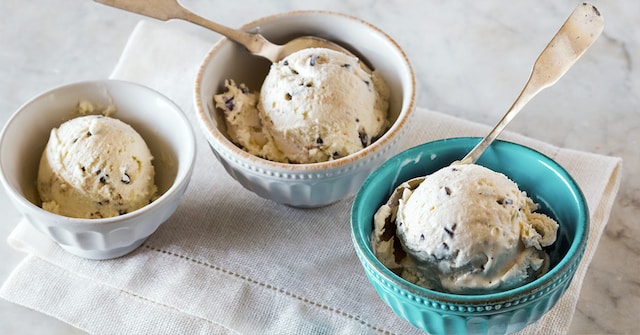
Creating your own ice cream at home is a delightful venture, offering freshness, flavor customization, and the joy of crafting a frozen treat from scratch. Yet, achieving that perfect balance of firmness and creaminess—the hallmark of exceptional ice cream—requires finesse. Enhance your ice cream-making prowess with these invaluable tips.
1. Elevate with Premium Ingredients
The foundation of outstanding ice cream lies in the quality of your ingredients. Opt for organic milk and cream, free-range eggs, and the freshest components within your means. When incorporating flavorings, splurge on high-quality products; real vanilla or vanilla beans elevate vanilla ice cream to unparalleled heights compared to imitation alternatives.
2. Embrace Full-Fat Indulgence
While mindful eating may steer you toward low-fat options, ice cream revels in a high-fat content for that luxurious, creamy texture. Initial forays into ice cream making benefit from using full-fat dairy products. Experimenting with lower-fat alternatives can come later once you've mastered the craft. If on a diet, savor ice cream as an occasional indulgence, opting for smaller portions.
3. Timing Matters for Flavor Additions
For optimal flavor infusion, introduce extracts or alcohol when the cooked custard has cooled. Adding them to a hot custard risks flavor deterioration, diminishing their impact. Consider incorporating flavorings just before pouring the ice cream base into the ice cream maker for a vibrant taste experience.
4. Ensure Thorough Custard Chilling
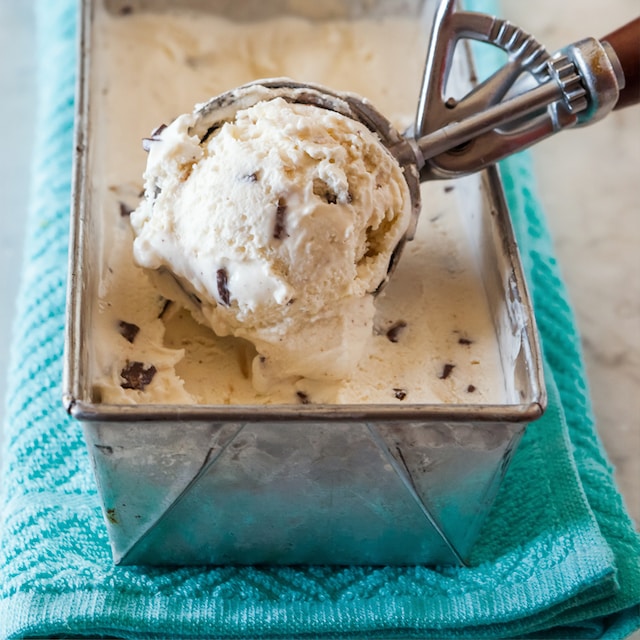
Recipes often involve a cooked custard comprising eggs, sugar, and milk. After preparation, refrigerate the custard until thoroughly chilled before introducing it to the ice cream maker. Some experts advocate overnight "aging" in the refrigerator, optimizing aeration during churning for the creamiest outcome.
5. Freeze the Bowl Adequately
For ice cream makers with a freezer bowl, freeze the bowl for a minimum of 24 hours before commencing the ice cream-making process. An inadequately chilled bowl jeopardizes the freezing process, hindering the development of the desired texture.
6. Activate the Motor First
Especially relevant for ice cream makers with freezer bowls, activate the motor before pouring the ice cream base. This pre-motion ensures the mixture doesn't freeze onto the bowl in large chunks upon contact, contributing to a smoother consistency.
7. Artful Mix-In Incorporation
Enhance your ice cream with candy pieces, nuts, or fruit, introducing new dimensions of flavor and texture. Keep mix-ins petite, akin to chocolate chips, to facilitate thorough incorporation by the ice cream maker. Pre-chill them before adding, and introduce them only when the ice cream has reached a fully frozen state, requiring minimal stirring time.
8. Preserve Creaminess in Storage
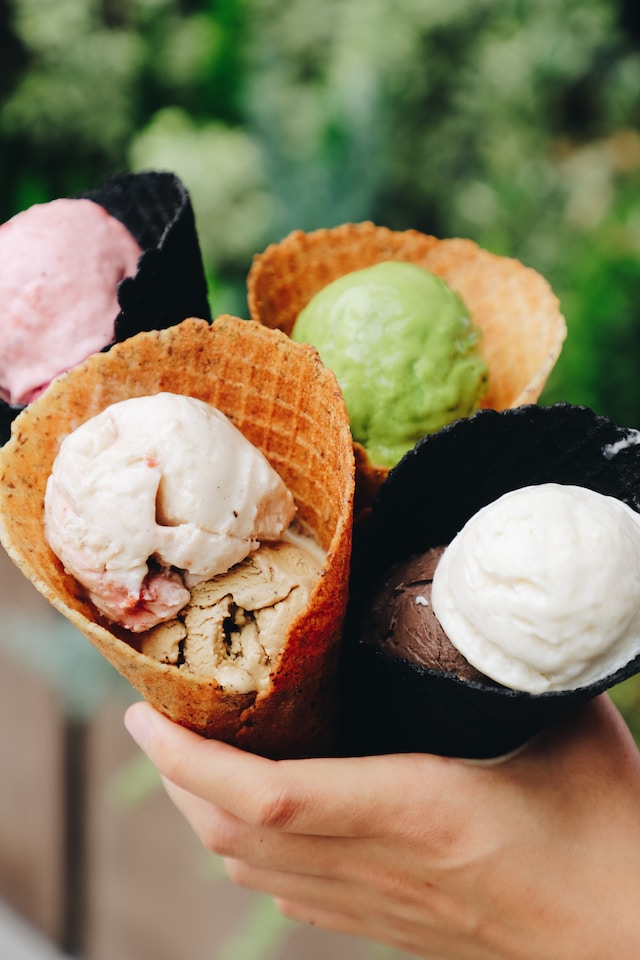
Combat the common woe of homemade ice cream becoming overly hard and icy in the freezer. Various strategies can maintain a softer consistency, such as incorporating alcohol (fruit liqueur or vodka), sweeteners like sugar, corn syrup, or honey, and stabilizers. Opt for shallow containers over deep tubs, and shield the ice cream's surface with plastic wrap to thwart ice crystal formation.
With consistent practice and a repertoire of enticing recipes, whether indulging in classic Vanilla or venturing into adventurous flavors, you'll soon master the art of crafting delectable homemade ice cream, earning accolades from friends and family alike.