Effective treatments for dry eyes
Dry eyes can be a frustrating and uncomfortable condition, but there are effective solutions. Using artificial tears, staying hydrated, staying away from screens, using a humidifier, and wearing sunglasses can all help ease symptoms and provide relief from dry eyes.

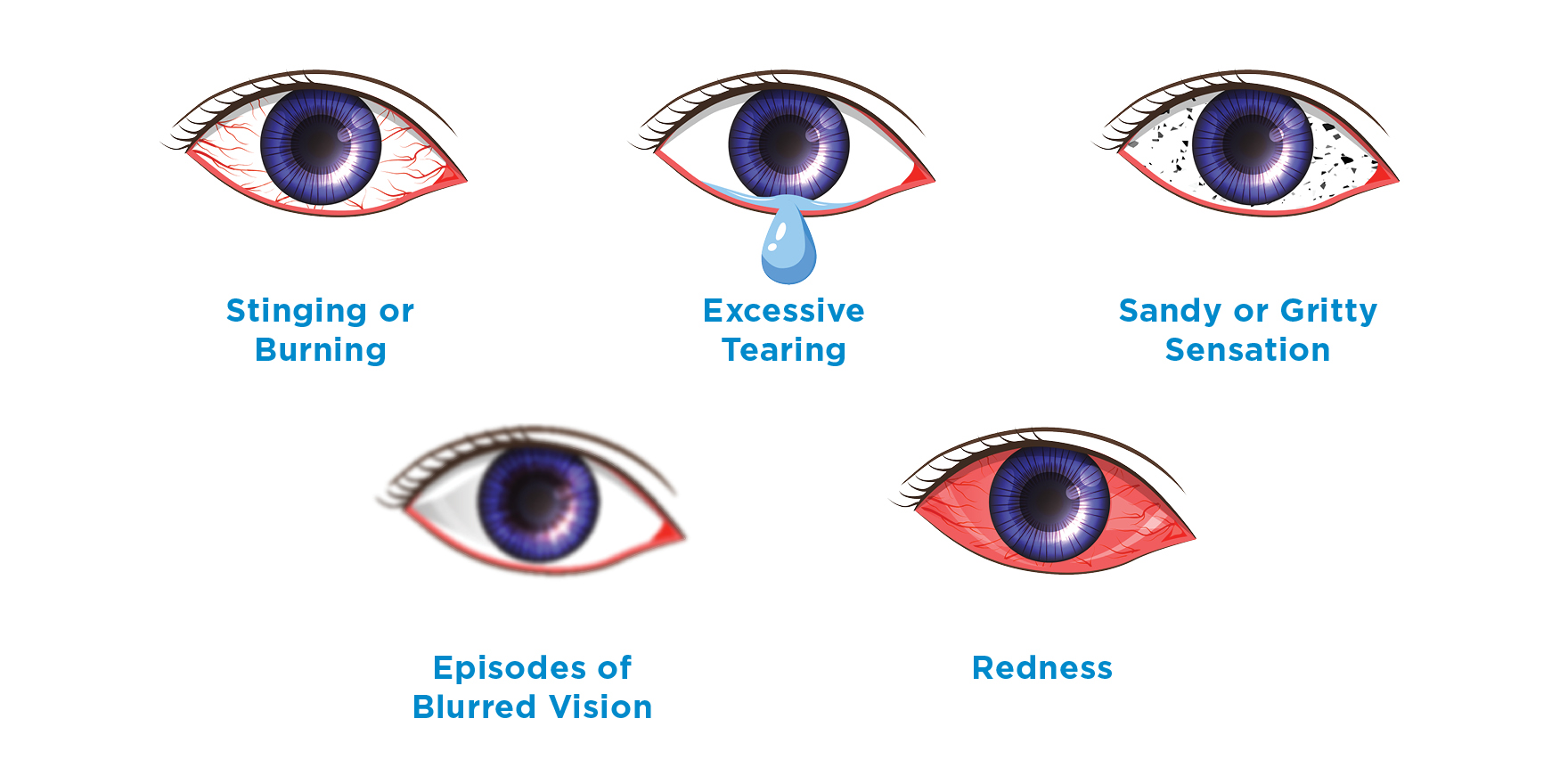
In the modern digital age, with unprecedented screen time and increasing environmental factors such as pollution, the prevalence of dry eye has become a significant issue. Many people experience the discomfort of dry eye syndrome, which manifests itself as itching, redness, and a constant feeling of eye discomfort. Fortunately, there are several effective solutions that can provide relief and restore eye comfort.

Understanding Dry Eyes

Dry eyes occur when the eyes do not produce enough tears or when tears evaporate too quickly. This condition can cause inflammation and damage to the eye. There are many different causes of dry eyes, including environmental factors and underlying medical conditions. Common causes include prolonged computer use, aging, hormonal changes, and certain medications.

For a more in-depth look at dry eye, check out resources like the American Academy of Ophthalmology , which provides detailed information about the disease and its effects on eye health.

Lifestyle changes

The first step to addressing dry eyes is to make lifestyle changes. These changes can significantly reduce symptoms and improve overall eye comfort. Here are some practical tips:

Take breaks from screens: Implement the 20-20-20 rule, which means looking away from the screen every 20 minutes and looking at an object 20 feet away for at least 20 seconds. This simple method can help relieve eye fatigue and promote tear production.
Increase the humidity of your environment: Using a humidifier can increase the humidity in the air, which can reduce tear evaporation and make your eyes more comfortable, especially in dry climates.
Wear protective eyewear: Sunglasses or other protective eyewear can protect your eyes from harmful effects of the sun and wind, which can worsen dry eye symptoms.
For more tips on reducing screen-related eye strain, visit the Harvard Health Blog, which offers various strategies for keeping your eyes healthy in a digital world.

Off-site solutions

For many people, over-the-counter (OTC) treatments are an effective way to relieve dry eye symptoms. Artificial tears are one of the most common over-the-counter solutions. These eye drops provide temporary relief by lubricating the eye and keeping the outer surface moist.

Choosing the right artificial tears is important. Some artificial tears are suitable for mild dry eyes, while others are suitable for more severe dry eyes. For people who use eye drops regularly, it is recommended to use artificial tears without preservatives, as preservatives can sometimes irritate the eyes.

For guidance on choosing the best artificial tears, consult the Mayo Clinic, which offers insights on the different types of eye drops and their specific uses.

Prescription drugs

If over-the-counter medications are not enough, prescription medications may be needed. These medicines are designed to increase tear production or reduce inflammation in the eye. Commonly prescribed treatments include:

Cyclosporine (Restasis): This medication helps increase tear production and reduce inflammation. It is often recommended for patients with chronic dry eye.
Lifitegrast (Xiidra): This eye drop is used to treat the signs and symptoms of dry eyes by reducing inflammation and improving tear quality.
Consulting with an ophthalmologist is essential to getting a prescription that fits your specific needs. For more information on prescriptions to treat dry eyes, see the WebMD Dry Eye Medication Guide.

Natural Remedies

In addition to conventional treatments, natural remedies can also be effective in treating dry eyes. These treatments often involve making dietary and lifestyle changes to promote overall eye health:

Omega-3 fatty acids: Eating foods rich in omega-3 fatty acids, such as fish oil, flaxseeds, and walnuts, can help reduce inflammation and improve tear quality.
Hot compresses: Applying hot compresses to the eyes can help unclog oil glands, improve tear film stability, and relieve dryness.
Hydration: Staying well hydrated is essential for maintaining healthy tear production. Drink at least eight glasses of water every day.
For a full list of natural remedies, check out the NHS website , which offers practical advice on treating dry eyes through diet and lifestyle changes.

Advanced treatment methods

For patients with severe or persistent dry eyes, advanced treatments may be necessary. When other methods do not provide adequate relief, the following treatments are often recommended:

Punctal plugs: These tiny devices are inserted into the tear ducts to block tear drainage, helping to keep the surface of the eye hydrated.
Intense Pulsed Light (IPL) Therapy: Originally used to treat skin conditions, IPL therapy has shown promise in treating dry eyes by reducing inflammation and improving meibomian gland function.
Consulting with a specialist is essential to exploring advanced treatment options. For more information on these treatments, visit the All About Vision website, which details various dry eye treatments.

Precautions

While treating dry eyes is crucial, prevention is equally important. Taking preventive measures can help reduce the likelihood of developing dry eye or exacerbating existing symptoms:

Regular eye exams: Regular eye exams can help detect early signs of dry eyes and other eye diseases, allowing for timely intervention.
Avoid smoking: Smoking and exposure to secondhand smoke can worsen dry eyes. Quitting smoking can significantly improve your eye health.
Eat a balanced diet: A diet rich in vitamins A, C and E, as well as minerals such as zinc, is beneficial for eye health and helps prevent dry eyes.
For more prevention strategies, read this article from the Centers for Disease Control and Prevention (CDC) that provides insights on how to maintain healthy vision.

Conclusion

Dry eyes can be a frustrating and uncomfortable condition, but with the right approach, relief is possible. Through a combination of lifestyle changes, over-the-counter solutions, prescription medications, and natural remedies, people can effectively manage their symptoms and improve their quality of life. It is essential to consult with a healthcare professional to develop a treatment plan tailored to your specific needs and explore advanced treatments when necessary. By taking preventative measures, you can also reduce your risk of developing dry eyes in the future and ensure long-term eye health and comfort.

Trending Now
|
Effective treatments for dry eyes
Dry eyes can be a frustrating and uncomfortable condition, but there are effective solutions. Using artificial tears, staying hydrated, staying away from screens, using a humidifier, and wearing sunglasses can all help ease symptoms and provide relief from dry eyes.

In the modern digital age, with unprecedented screen time and increasing environmental factors such as pollution, the prevalence of dry eye has become a significant issue. Many people experience the discomfort of dry eye syndrome, which manifests itself as itching, redness, and a constant feeling of eye discomfort. Fortunately, there are several effective solutions that can provide relief and restore eye comfort.

Understanding Dry Eyes

Dry eyes occur when the eyes do not produce enough tears or when tears evaporate too quickly. This condition can cause inflammation and damage to the eye. There are many different causes of dry eyes, including environmental factors and underlying medical conditions. Common causes include prolonged computer use, aging, hormonal changes, and certain medications.

For a more in-depth look at dry eye, check out resources like the American Academy of Ophthalmology , which provides detailed information about the disease and its effects on eye health.

Lifestyle changes

The first step to addressing dry eyes is to make lifestyle changes. These changes can significantly reduce symptoms and improve overall eye comfort. Here are some practical tips:

Take breaks from screens: Implement the 20-20-20 rule, which means looking away from the screen every 20 minutes and looking at an object 20 feet away for at least 20 seconds. This simple method can help relieve eye fatigue and promote tear production.
Increase the humidity of your environment: Using a humidifier can increase the humidity in the air, which can reduce tear evaporation and make your eyes more comfortable, especially in dry climates.
Wear protective eyewear: Sunglasses or other protective eyewear can protect your eyes from harmful effects of the sun and wind, which can worsen dry eye symptoms.
For more tips on reducing screen-related eye strain, visit the Harvard Health Blog, which offers various strategies for keeping your eyes healthy in a digital world.

Off-site solutions

For many people, over-the-counter (OTC) treatments are an effective way to relieve dry eye symptoms. Artificial tears are one of the most common over-the-counter solutions. These eye drops provide temporary relief by lubricating the eye and keeping the outer surface moist.

Choosing the right artificial tears is important. Some artificial tears are suitable for mild dry eyes, while others are suitable for more severe dry eyes. For people who use eye drops regularly, it is recommended to use artificial tears without preservatives, as preservatives can sometimes irritate the eyes.

For guidance on choosing the best artificial tears, consult the Mayo Clinic, which offers insights on the different types of eye drops and their specific uses.

Prescription drugs

If over-the-counter medications are not enough, prescription medications may be needed. These medicines are designed to increase tear production or reduce inflammation in the eye. Commonly prescribed treatments include:

Cyclosporine (Restasis): This medication helps increase tear production and reduce inflammation. It is often recommended for patients with chronic dry eye.
Lifitegrast (Xiidra): This eye drop is used to treat the signs and symptoms of dry eyes by reducing inflammation and improving tear quality.
Consulting with an ophthalmologist is essential to getting a prescription that fits your specific needs. For more information on prescriptions to treat dry eyes, see the WebMD Dry Eye Medication Guide.

Natural Remedies

In addition to conventional treatments, natural remedies can also be effective in treating dry eyes. These treatments often involve making dietary and lifestyle changes to promote overall eye health:

Omega-3 fatty acids: Eating foods rich in omega-3 fatty acids, such as fish oil, flaxseeds, and walnuts, can help reduce inflammation and improve tear quality.
Hot compresses: Applying hot compresses to the eyes can help unclog oil glands, improve tear film stability, and relieve dryness.
Hydration: Staying well hydrated is essential for maintaining healthy tear production. Drink at least eight glasses of water every day.
For a full list of natural remedies, check out the NHS website , which offers practical advice on treating dry eyes through diet and lifestyle changes.

Advanced treatment methods

For patients with severe or persistent dry eyes, advanced treatments may be necessary. When other methods do not provide adequate relief, the following treatments are often recommended:

Punctal plugs: These tiny devices are inserted into the tear ducts to block tear drainage, helping to keep the surface of the eye hydrated.
Intense Pulsed Light (IPL) Therapy: Originally used to treat skin conditions, IPL therapy has shown promise in treating dry eyes by reducing inflammation and improving meibomian gland function.
Consulting with a specialist is essential to exploring advanced treatment options. For more information on these treatments, visit the All About Vision website, which details various dry eye treatments.

Precautions

While treating dry eyes is crucial, prevention is equally important. Taking preventive measures can help reduce the likelihood of developing dry eye or exacerbating existing symptoms:

Regular eye exams: Regular eye exams can help detect early signs of dry eyes and other eye diseases, allowing for timely intervention.
Avoid smoking: Smoking and exposure to secondhand smoke can worsen dry eyes. Quitting smoking can significantly improve your eye health.
Eat a balanced diet: A diet rich in vitamins A, C and E, as well as minerals such as zinc, is beneficial for eye health and helps prevent dry eyes.
For more prevention strategies, read this article from the Centers for Disease Control and Prevention (CDC) that provides insights on how to maintain healthy vision.

Conclusion

Dry eyes can be a frustrating and uncomfortable condition, but with the right approach, relief is possible. Through a combination of lifestyle changes, over-the-counter solutions, prescription medications, and natural remedies, people can effectively manage their symptoms and improve their quality of life. It is essential to consult with a healthcare professional to develop a treatment plan tailored to your specific needs and explore advanced treatments when necessary. By taking preventative measures, you can also reduce your risk of developing dry eyes in the future and ensure long-term eye health and comfort.

Trending Now